If your crew is responsible for any drainage work, or if you’re managing roads or ditches, you’re also in the erosion control business, whether you realize it or not. Left unchecked, erosion can turn small problems into big ones: clogged culverts, failing shoulders, sediment-laden streams, and unhappy regulatory agencies.
Luckily, you don’t need fancy equipment or a massive budget to stay ahead of it. Here are some tried-and-true simple methods of erosion control that just about any highway crew can implement:
One of the easiest and most effective ways to prevent erosion is to maintain vegetative cover. Grass slows down runoff, helps water soak in, and holds soil in place with its roots.
When you finish a ditching project or repair an embankment, reseed it as soon as possible. Don’t leave bare soil exposed longer than necessary. Use erosion control blankets or straw mulch if needed to help the grass get established.
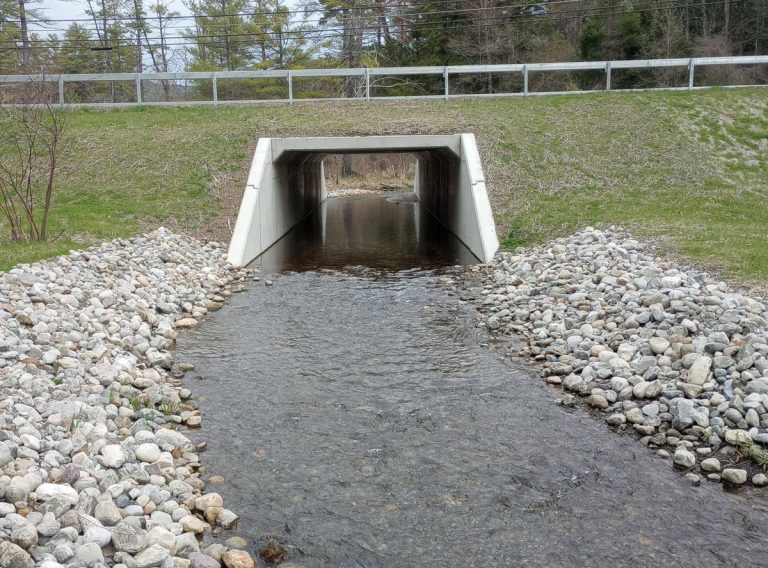
For spots where fast-moving water threatens to scour out soil, like around culvert outlets or along steep ditch sections, consider installing riprap. This is just a fancy term for placing large rocks where they’ll break up flow and protect the soil underneath.
You don’t need a whole quarry; strategically placing rock in problem areas can go a long way toward keeping water from carving away your work.
When you’re working on a project and disturbing soil, keep sediment from washing into nearby water bodies with temporary controls like silt fences or straw bales.
These simple barriers slow down runoff and trap sediment, buying time for vegetation to establish or for permanent stabilization to take hold. Just remember to inspect and maintain them, clogged or damaged silt fences won’t do much good.
If you’ve got long or steep ditch runs, small check dams made of stone, logs, or even sandbags can slow water down. This reduces its erosive force and gives sediment a chance to settle out.
These don’t need to be permanent features. Install them during construction or after ditching to protect the soil until grass cover comes in.
Finally, sometimes the best erosion control is simply directing water where you want it to go. Use grading and shaping to encourage sheet flow (spread-out flow) instead of concentrated channels. Avoid creating low spots that will concentrate runoff and start cutting gullies.
Erosion control doesn’t have to be complicated. A little planning, some well-placed grass seed or rock, and a few simple barriers can save you big headaches down the road. Plus, you’ll be doing your part to protect water quality and keep the regulators happy.
Next time your crew is out working on a drainage job or road project, ask yourself: what simple steps can we take today to keep erosion in check tomorrow?

 Every road department has far too many roads and way too little money. The challenge isn't deciding whether roads need to be repaved, it's dec…
 Putting together a Job Safety Analysis binder from scratch sounds like one of those projects you tackle with good intentions, right up until you are t…
 If you have ever stood at the front of a room full of highway or public works crew members with a PowerPoint clicker in your hand, you already know th…
 If you have spent any time in public works, you already know that job titles can be about as consistent as spring potholes, meaning not very. One town…
 Rainy Days Are Safety Days: Why Every Highway Superintendent Should Keep a Training Binder Handy As every highway superintendent knows, no two days in…
 A survival guide for highway supers with frayed nerves and a half-empty coffee mug. The Anatomy of a Board-Induced Migraine Town boards are like aspha…