What You Need to Know About Stormwater Regulations
If you’ve been hearing more about “MS4” lately, you’re not alone. Across the country, more municipalities and highway departments are being pulled into MS4 permit programs. If you’re a highway superintendent, it pays to understand what it means, and how it affects your department.
Here’s a quick rundown of the basics:
MS4 stands for Municipal Separate Storm Sewer System.
It refers to the system of roadside ditches, culverts, storm drains, and pipes that collect stormwater runoff and send it, untreated, to local streams, rivers, and lakes.
In short: it’s the drainage system we build and maintain to move water away from roads and developed areas.
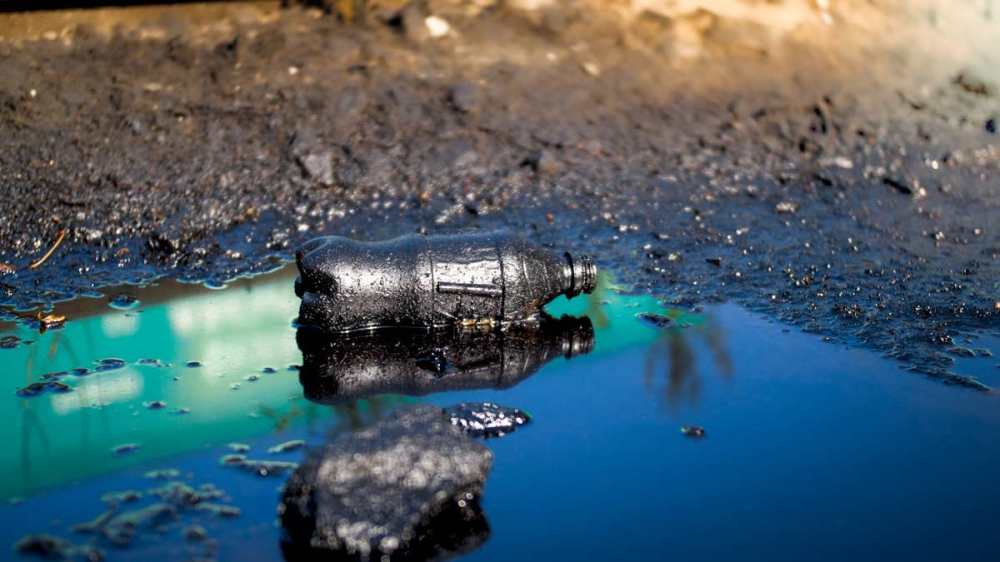
Here’s the issue: when rain runs off roads, parking lots, and construction sites, it picks up pollutants; oils, fertilizers, sediment, litter, and more. If we don’t manage this runoff properly, those pollutants end up in our waterways.
The EPA and state environmental agencies require communities with MS4s to follow rules that help reduce this pollution. These rules are spelled out in an MS4 Permit.
Generally, if your town or city is in an urbanized area, or if it’s growing fast, you may be required to comply with MS4 regulations. Many smaller towns are now being included.
As a highway department, you don’t have to manage the entire MS4 program. Your town board or engineer typically oversees that.
But your department plays a big role in complying with several parts of it. Here’s what matters to you:
 Public Education & Outreach
You may be asked to help spread the word about proper stormwater practices. Think signs at public works facilities or community clean-up days.
 Illicit Discharge Detection & Elimination
You’ll likely be asked to help monitor ditches and pipes for illicit discharges, things like wastewater or chemical dumping that shouldn’t be in the storm system. If you spot one, report it!
 Construction Site Runoff Control
If your crew or contractors disturb more than an acre of land, you’ll need erosion and sediment controls in place, such as silt fences, check dams, seeding, etc.
 Post-Construction Stormwater Management
Some permanent controls, like rain gardens, detention ponds, or infiltration trenches, might be required in new developments. You may end up maintaining these features.
 Good Housekeeping for Municipal Operations
This is the big one for highway supers: your own operations matter. The MS4 permit often requires:
In short: keeping pollutants out of the drainage system, starting with your own shop and fleet.
Even if this feels like just another layer of paperwork, there are good reasons behind it:
And honestly, once you get good practices in place, staying in compliance isn’t that hard.
MS4 may sound bureaucratic, but it comes down to this: Don’t let pollutants wash off your roads into the nearest stream.
Good drainage work is already a core part of your job. MS4 just adds a few more things to watch for.

 Every road department has far too many roads and way too little money. The challenge isn't deciding whether roads need to be repaved, it's dec…
 Putting together a Job Safety Analysis binder from scratch sounds like one of those projects you tackle with good intentions, right up until you are t…
 If you have ever stood at the front of a room full of highway or public works crew members with a PowerPoint clicker in your hand, you already know th…
 If you have spent any time in public works, you already know that job titles can be about as consistent as spring potholes, meaning not very. One town…
 Rainy Days Are Safety Days: Why Every Highway Superintendent Should Keep a Training Binder Handy As every highway superintendent knows, no two days in…
 A survival guide for highway supers with frayed nerves and a half-empty coffee mug. The Anatomy of a Board-Induced Migraine Town boards are like aspha…